
News
Bigger Isn't Always Better, Better Before Bigger
Why the operators who win aren't always the biggest — and what separates them from the ones who don't.
"That might work for the big guys… but it's not really for us."
You've said it. Or at least thought it.
It sounds practical. Reasonable, even.
But that one belief might be the very thing holding you back.
Does any of this sound familiar?
So when systems or software come up, the default thinking becomes:
"We'll look at that once we get bigger."
But here's what's actually happening in that moment.
You're not just comparing businesses.
You're comparing yourself.
And once that starts, something subtle kicks in. Psychologists call it an inferiority complex. The point where the normal feeling of being behind stops being a motivator, and starts being an excuse.
Inferiority isn't the problem.
It's when it stops you from acting.
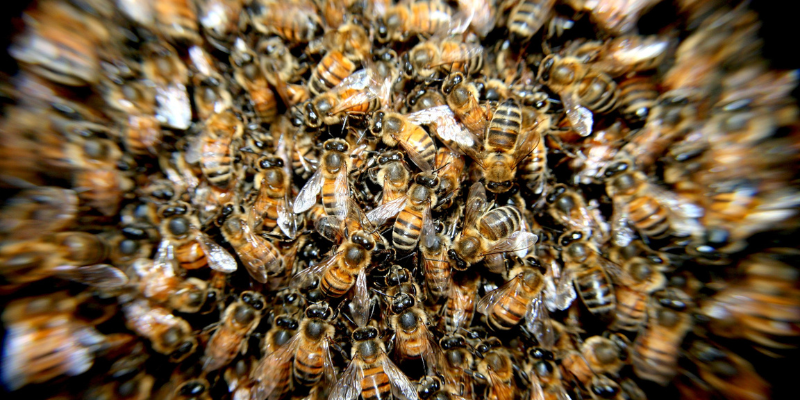
Better before bigger
The operators who scale well don't stumble into systems once they're large enough.
They build the habits, the tools, and the discipline before they need them — and then growth becomes a natural result of running a tight ship.
They got tight first. They paid attention early — to what was happening across their sites, where money was going, what was working and what wasn't. They made decisions based on information, not gut feel and guesswork.
That discipline compounded over time. Growth followed.
The assumption most people work from is this:
Get bigger → then get systems.
But the operators who are actually performing well tend to do it the other way around:
Get better → then growth becomes possible.
Small and organised beats big and chaotic. Every time.
Being small isn't a disadvantage. Running sloppy is.
A lean, well-run operation knows its numbers. It tracks hive performance, manages treatments on time, keeps the team accountable, and makes decisions based on what the data is actually saying — not what someone thinks they remember from last season.
That kind of operation will outperform a larger, messier one on margins, on quality, and on sustainability. Every time.
Instead of asking:
"Is this for a business our size?"
Try asking:
"Will this help me run a better operation?"
Because that's the real game. Not more hives for the sake of it. Not growth that stretches you past breaking point. A business that runs cleanly, makes money, handles pressure, and gives you actual visibility over what's happening.
That's what tools like MyApiary are built for. Not the biggest operations in the country. Operators who want to think clearly, run lean, and make better decisions with the information they already have — whether they're running 500 hives or 10,000.
So here's the challenge
Stop waiting until you're "big enough" to take your business seriously.
The mindset that says "systems and tools are for the big operators" is the same mindset that keeps you from becoming one.
Get organised now.
Get better now.
Let the growth follow.
Because the operators who do that consistently?
They're not waiting for permission.
They're already pulling ahead.